The Sardis Fasola Society
Organic, structured sacred harp. EST. ERA FAR-PAST
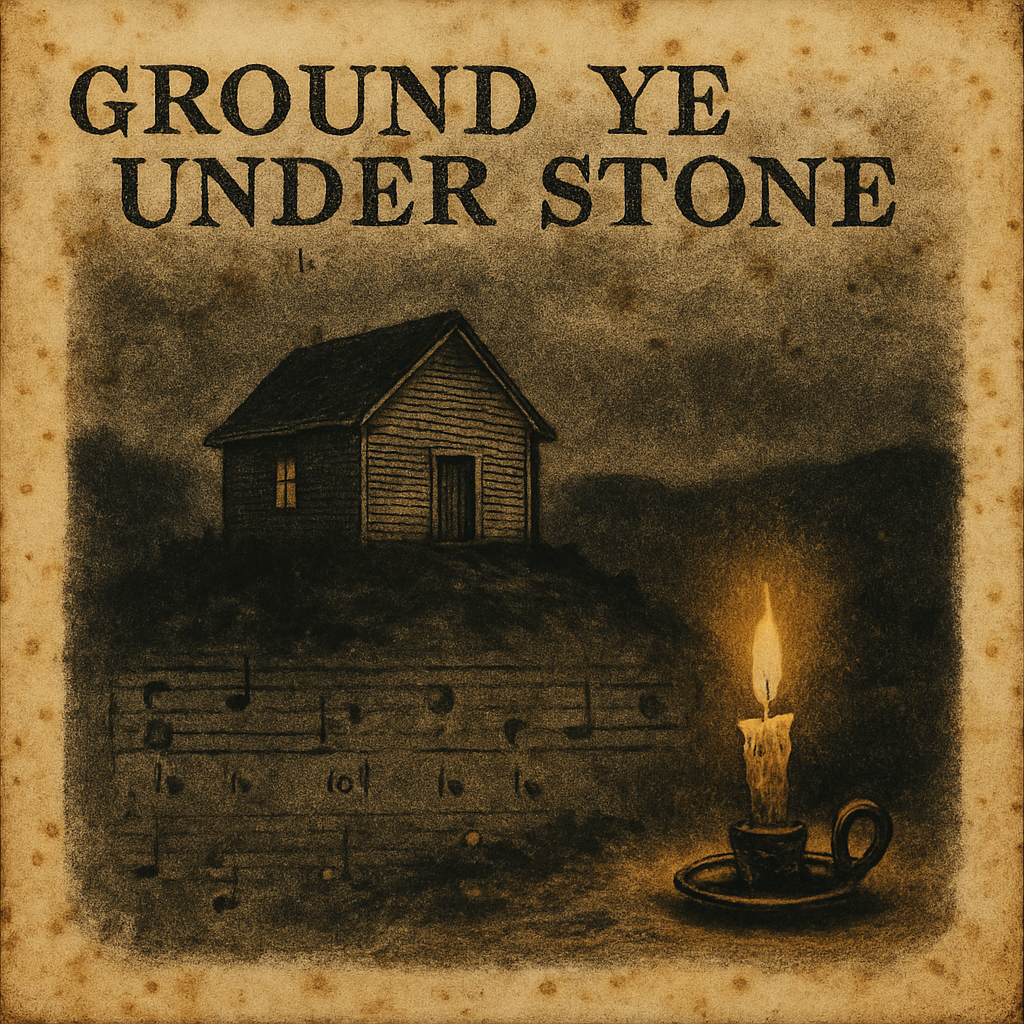
“Four objects worked by hand in one burying-ground shed: a fieldstone under the chisel, a coffin lid under the plane, a bell that cracked in its own casting, a shroud closed by lamplight. Twelve voices carry each one from raw material to the grave.”
Every album The Sardis Fasola Society appears on — their own records, the sessions and tapes they played on, and the record they brought with them.
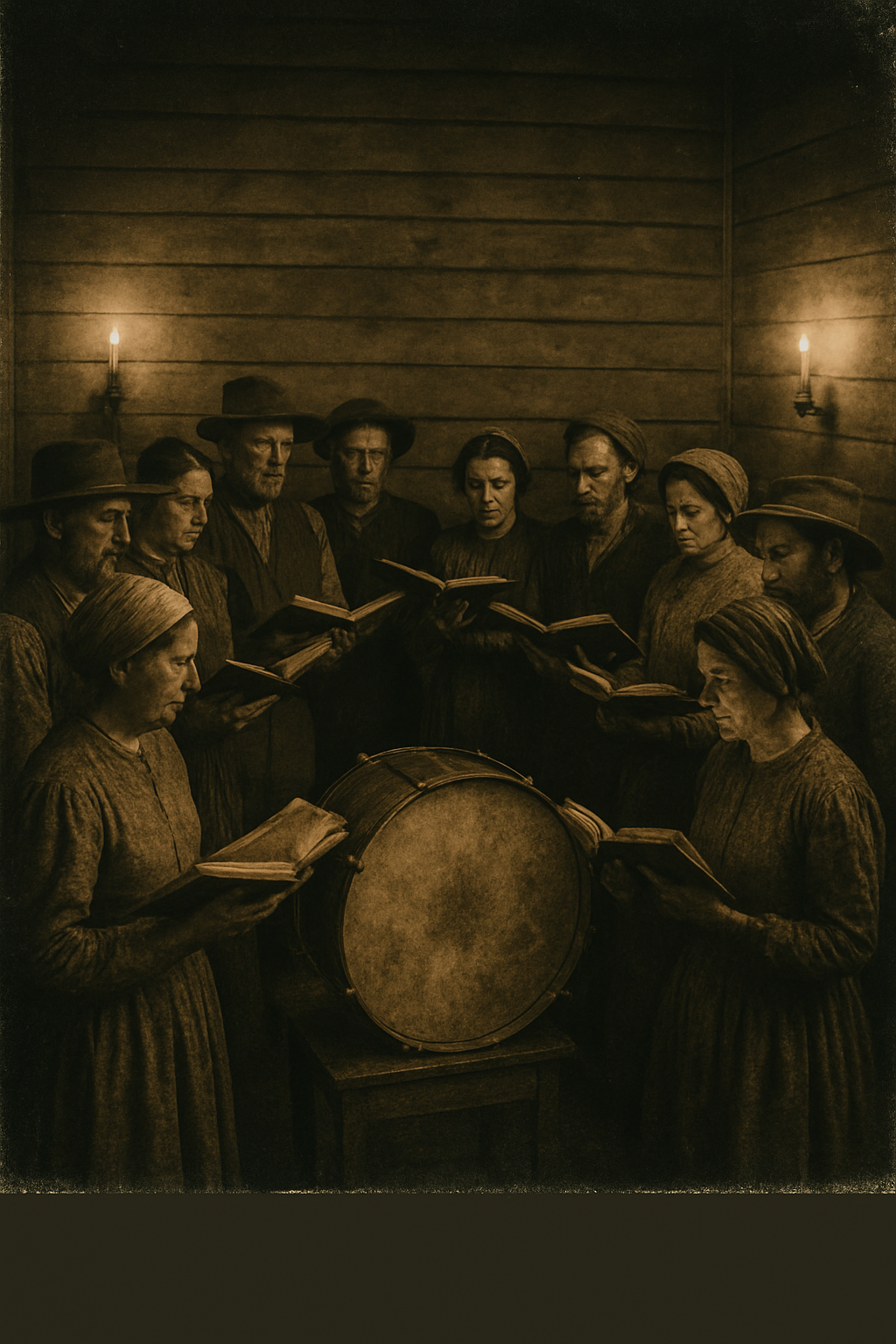
Formed in a windowless clapboard meeting house above the Buffalo River, The Sardis Fasola Society took the Ozark singing-school tradition and dragged it underground. Twelve unaccompanied voices—farmers, a coffin-maker, two sisters who learned fasola from their grandmother's dog-eared 1859 hymnal—gather by candlelight and stretch the old shape-note tunes until each phrase groans like settling timber. A single bass drum marks time no faster than a resting heart. Their sessions are documented on one warped ribbon microphone, so the recordings hiss and swell with the room itself. The result is dense, modal, and merciless: harmony piled on harmony until the walls seem to breathe. They perform only at dusk, only in person, and never for applause—the silence after each verse is considered part of the music.
“Sing the note like judgment is listening.”
The Critic hears every release and says whether it was any good. This is their word on The Sardis Fasola Society.
Nothing yet — the Critic speaks after each release. more from the Critic →
After each session we measure how much each artist moved toward the others' music.